
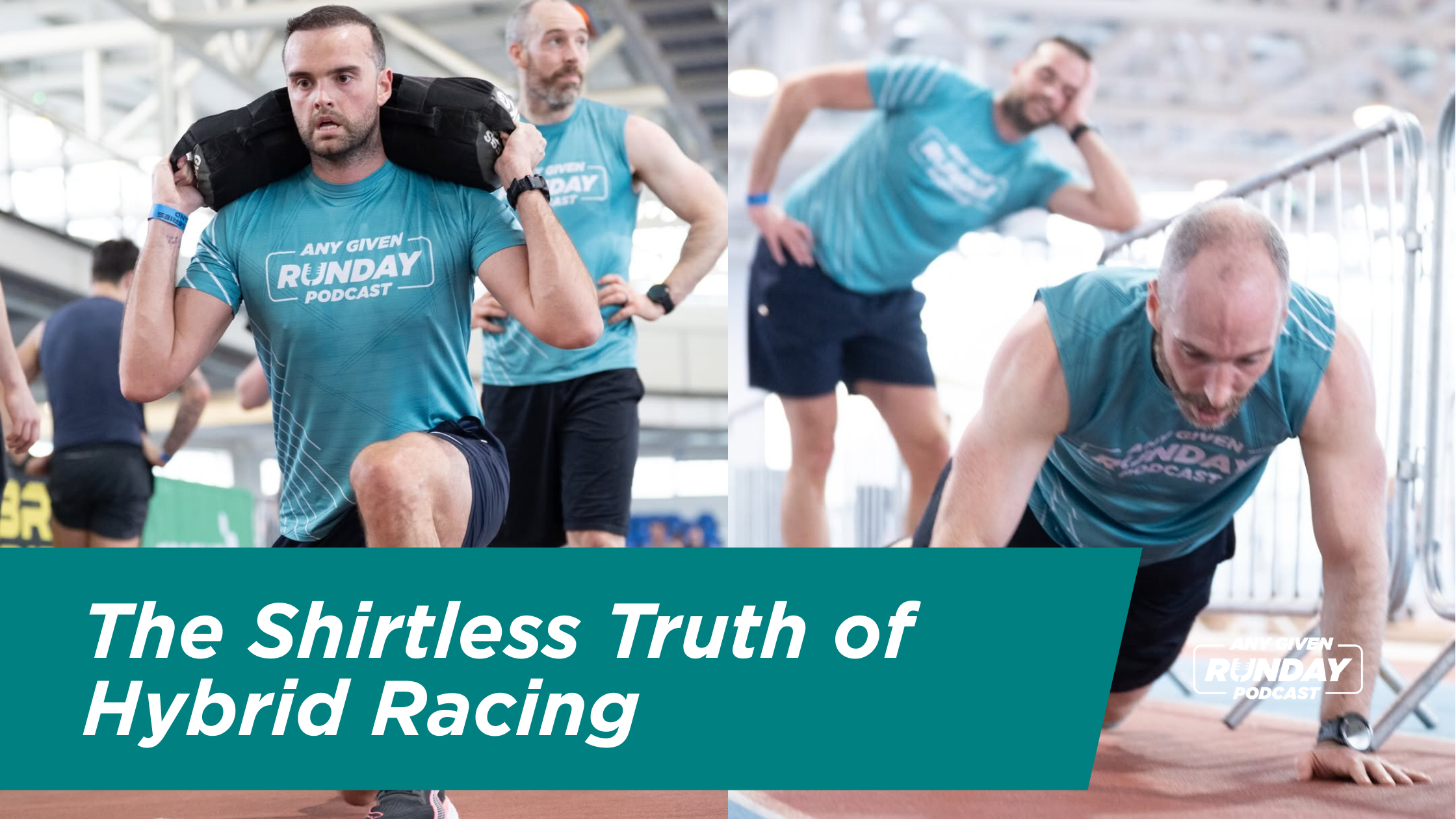
The Shirtless Truth of Hybrid Racing
There is a specific satire to the modern fitness racing scene that is hard to ignore and that is the "mandatory removal of the T-shirt." We see men and women in prime physical condition who look like they were "sculpted from granite" and they are ready to tackle a lung-bursting workout. Personally I have always felt that sponsors would pay me good money just to put mine back on. However I will admit that my co host Seán sees these events as the perfect opportunity to finally get his "hard earned biceps" on display which at least keeps our team average looking respectable.
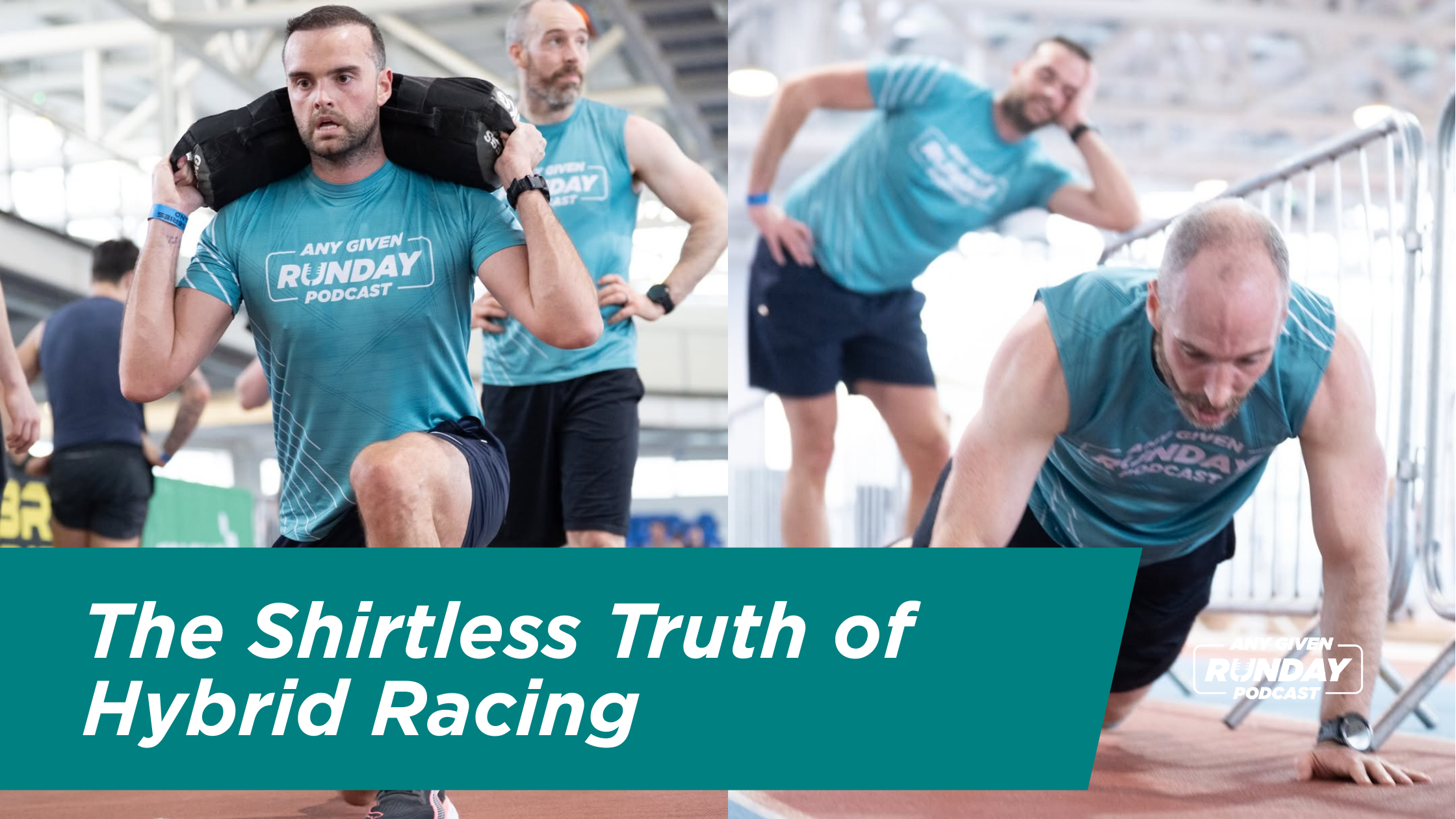
There is a specific satire to the modern fitness racing scene that is hard to ignore and that is the "mandatory removal of the T-shirt." We see men and women in prime physical condition who look like they were "sculpted from granite" and they are ready to tackle a lung-bursting workout. Personally I have always felt that sponsors would pay me good money just to put mine back on.
It is important to reference the "intimidation factor" here. Seeing these athletes in peak condition often triggers my own insecurities and the "green eyed monster." I have never stood on an Olympic gymnastics floor or beside a line of 100m sprinters but I imagine the feeling of inadequacy would be the same. At first glance it often feels more like an "influencer event" than an athletic one.
But as our recent guest Ray Shah proves there is a lot more to this sport than just the "Baywatch feel."
From the Chipper to the World Championships
Ray Shah is a DJ and the founder of Body First Nutrition as well as a "world class hybrid athlete" but he did not start as a "sculpted poster boy." During lockdown Ray reached 100kg and found himself "out of breath simply trying to put on his socks."
The wake up call did not come from a glossy Instagram ad. It came from the owner of his local chipper in Artane who told him "Jesus Ray, you’ve really let go of yourself." Ray set a "realistic 18 month goal" and lost 25kg before eventually finding himself competing at the "Hyrox World Championships." His journey is a reminder that while the "shirtless aesthetic" might be the first thing we see the engine underneath is built through grit rather than filters.
The "Poetry" of Fitness
Once you break through that initial barrier and actually give it a go the perspective shifts. It becomes "very much like a marathon." I do not stand shoulder to shoulder with the Kenyans and the Ethiopians and feel physically scared because they have light frames and stature. Yet when they move it becomes "poetry and a cinematic masterpiece" like a "David Attenborough documentary." In the same way "hybrid racing" forces you to look past the physique and admire the efficiency of the effort.
For the everyday runner these events are the "missing piece of the puzzle." We have long accepted that cycling benefits running but this "cardio based strength work" involving lunges and carries and sleds is the "perfect complement to a runner's health." It is "everything we are usually missing from our training schedules."
Local Community vs Global Machines
While global brands like Hyrox are becoming massive machines the "Irish fitness scene" is keeping it grounded. Ray notes that events like "TRYKA" or the "hybrid series in Athlone" are fostering a more inclusive and "community based vibe."
In these races the vision blurs from "maximum effort" so quickly that you do not even notice who has their shirt off. You are not worried about pace or heart rate because you are just "trying to find your next breath." The only people who care about what you are doing are the ones who came out to support you.
Ray’s "Top Tips" for the Hybrid Curious
"Pace your ego." Do not go out "hell for leather" because you will catch the "shirtless wonders" at the sleds or the burpees when they have "blown their engine" in the first kilometre.
"Less is more." As a DJ getting three hours of sleep Ray learned the hard way that you cannot "kill yourself in every session." Be smart with your training and focus on "rest and recovery" to avoid those nagging "calf injuries."
"The lifestyle shift." Like any sport in Ireland you will find fantastic training partners and "genuine people" who are stepping away from alcohol and taking care of themselves.
The Final Word
A run without a watch is an "act of rebellion" but stepping into a "hybrid arena" is a different kind of challenge. It is a test of the "strength and conditioning" that makes us better and "more resilient runners."
So keep the shirt on if you prefer and ignore the "influencer vibes" to enjoy the "beautiful and crazy journey" of bettering yourself. Just be careful because this lifestyle is "as addictive as any marathon."
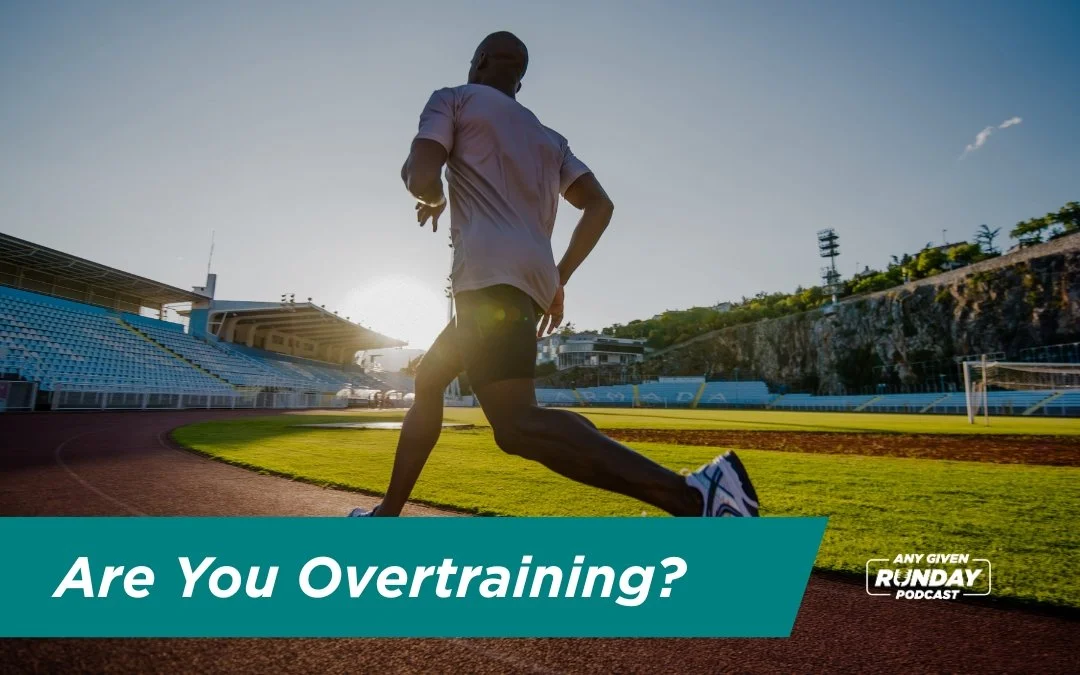
Are You Overtraining?
My dad used to say I was "burning the candle at both ends," but as a kid playing endless sports, I felt indestructible. That changed dramatically when I tried to return to serious training after a break. "Overtraining" hit me hard: niggles, injuries, constant fatigue, and a stubborn belief that recovery was for the weak. That "candle" had become an inferno. This isn't just my story; it's for anyone who's pushed too hard and hit that wall. Now, let's explore how to navigate this, with expert insights from Dr. Aisling Farrell...
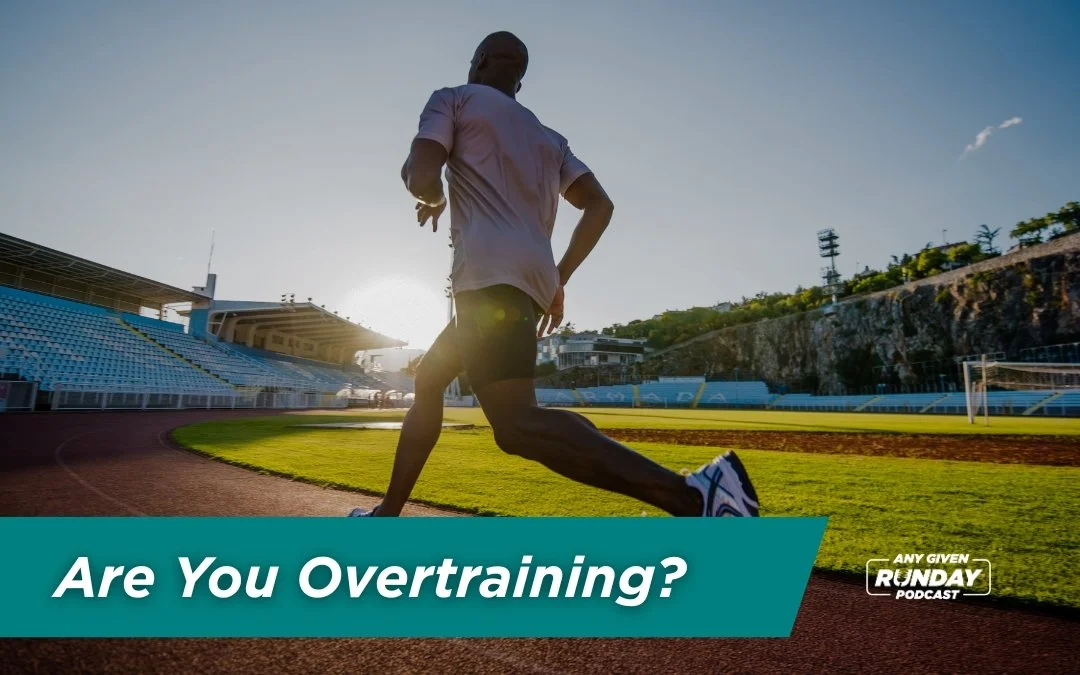
When I look back on my childhood, I realise how lucky I was. With parents who drove me everywhere (even if it was just down the road sometimes!), I was neck-deep in every sport imaginable – GAA, football, you name it. Except swimming, and trust me, as I now contemplate learning to swim as an adult for a triathlon, I'm seriously envious of anyone who grew up near a pool!
My dad had a phrase for pushing too hard: "burning the candle at both ends." To be honest, back then, I didn't get it. A GAA match on Saturday, football on Sunday, plus endless games on the green? No problem! We probably don't give the youthful body enough credit for its incredible ability to recover. That feeling of being unbreakable continued even as I chased the dream of professional football, training multiple times a week. The challenge was getting to training, never the volume itself.
But things changed. After stepping away from football at 22 and, let's just say, embracing a less athletic lifestyle for a bit (hello, food and alcohol!), I got a rude awakening when I tried to train again. That’s when "overtraining" became very real. Going from "athlete" to, well, "slob," and then trying to hit it hard twice a day? My body screamed "No!" Niggles, injuries, fatigue, and a generally grouchy demeanor became my new teammates. This pattern of pushing to the max, especially during my time in the Defence Forces where the ethos is to test your limits, solidified a mindset: recovery was for the weak, and any day off meant losing fitness. That "candle" dad mentioned? It was a full-blown inferno.
The beauty of hosting the Any Given Runday podcast is the front-row seat to incredible advice. Yet, even after so many episodes, I still find myself wincing when experts list things you shouldn't do, and I've probably ticked half those boxes that very day! This isn't just my story; it's for anyone who's ever felt that relentless push, only to hit a wall.
So, let’s get into what I’ve learned, with some fantastic insights from Dr. Aisling Farrell, a doctor with a Master's in Sports and Exercise Medicine who specialises in lifestyle medicine for athletes.
1. The Fine Line: From Peak Performance to Overtraining's Shadow
It's easy to feel invincible when you're fit, but there's a fine line between optimal training and overdoing it. Overtraining isn't just about one hard session; it's the cumulative effect of pushing your body relentlessly "without giving them enough time, you know, to repair and restore and recover effectively". As Dr. Farrell explains, this can lead to "physical exhaustion and mental exhaustion and an inability to recover in between sessions". For me, this often resulted in a cycle of extreme effort to nothing again and again, leading to overreaching and burnout.
2. Beyond Tired: Recognising the Sneaky Signs of Overtraining
I used to think being exhausted was just part of the deal. But Dr. Farrell points out specific signs that we're pushing too hard:
That "Can't Shake It" Fatigue: It's more than normal post-workout tiredness. Dr. Farrell describes it as "fatigue beyond normal, you know, that you're kind of needing those energy drinks... needing a lot of caffeine in the morning and you're feeling maybe a lot more tired after a training session... than what you normally would". She adds this isn't just training load, but also "the amount of stress that's going on at home or within work and all of that can build up".
The Injury Cycle & Getting Sick Often: Are you constantly battling niggles that turn into bigger issues? Dr. Farrell sees patients "presenting with stress fractures or overuse injuries or tendonitis injuries that they're not recovering effectively from". Another red flag? "Recurrent upper respiratory tract infections that as soon as they've... had one infection, they seem to get another one again and again".
Underfuelling the Engine (RED-S): Dr. Farrell highlighted Relative Energy Deficiency in Sport (RED-S), where "the calories that we're taking in from our food and drink is not meeting the demands of the energy that we're putting out". This "can creep in actually really easily," especially if you're "increasing up their training intensity, but they're not increasing up their... nutrients" or dieting for too long. Symptoms can include fatigue, repeated injuries, mood changes, and for women, missed periods.
3. Recovery Isn't a Weakness, It's Your Secret Weapon
My old mindset was "no days off," fearing I'd "get fat again" or "lose this fitness quick." But Dr. Farrell’s insights flip this on its head. She emphasises that "sleep for me is one of the most important aspects of recovery for sure". When we sleep, our body gets to work repairing muscles and consolidating memories, which is crucial for skill development. Aim for "about seven to nine hours".
This extends to nutrition and overall stress management. Instead of seeing recovery as lost time, Dr. Farrell helps athletes build "routines and kind of getting those kinds of structures in place... so that it kind of falls into their routine and, and part of normal for them". This includes "strategic meal planning" and managing life stresses alongside training.
4. What "Listening to Your Body" Really Means
We hear this all the time, but what's the practical advice? It's about not dismissing those early warnings. Dr. Farrell mentioned how we often have a "twinge that you're like, look, it's Grant, it's fine grand. It doesn't hurt when it runs, so it's not a problem". True listening means acknowledging "some of the signs that our body is giving us that were perhaps pushing ourselves a little bit harder". For me, learning this meant challenging years of "mental stubbornness" that just wanted to push through.
It's about blending how you feel with any data you have. Dr. Farrell advises, "we blend subjectively how we're feeling with the objective data that we have... how do we feel as opposed to how the watch says that we feel". If a familiar run suddenly feels way harder, that's your body talking, loud and clear.
And Finally… Are We There Yet?
So, there you have it. From personal flameouts to expert insights, the message is pretty clear: training hard is only half the battle. The other half? Training smart, which, shock horror, actually involves not training sometimes. It means treating recovery with the same respect we give to that killer hill sprint session.
If you, like me, have occasionally (or, ahem, frequently) resembled a stubborn toddler refusing a nap when your body is crying out for one, maybe it's time we both learned to embrace the art of the strategic day off. After all, even superheroes need to recharge – and last I checked, my collection of race medals didn't come with a cape. Now, if you'll excuse me, I think my couch is calling my name for a very important "strategic recovery session."